
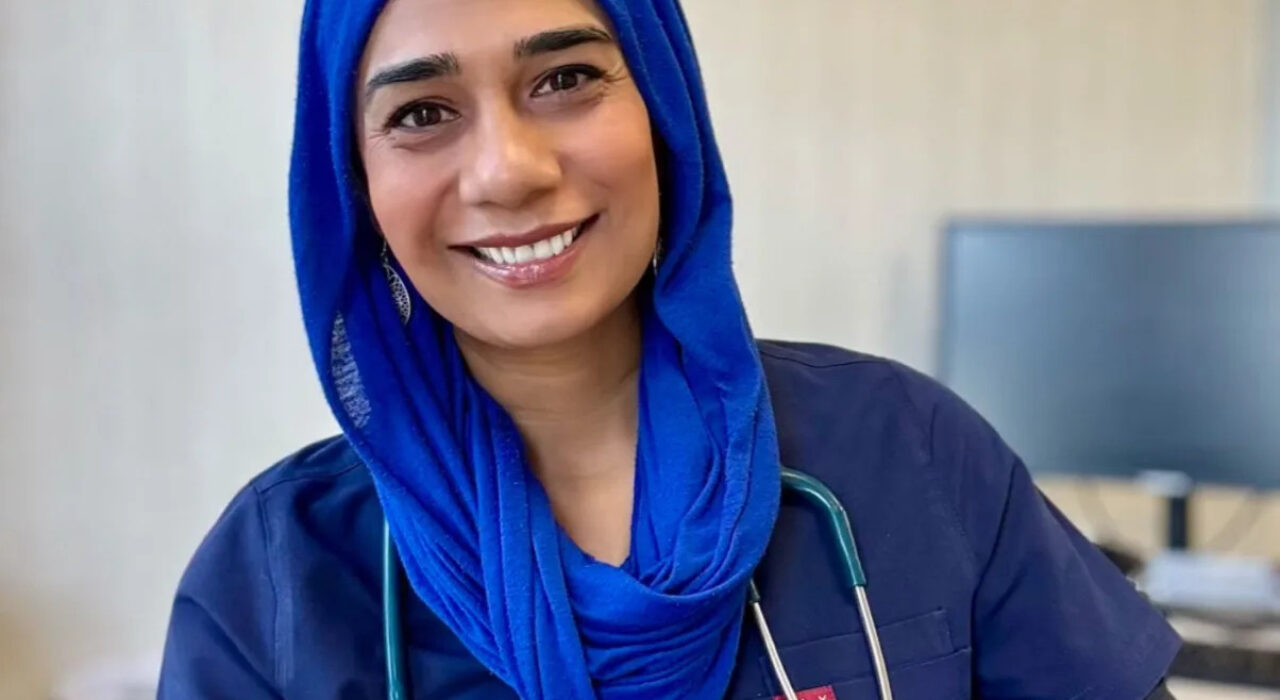
Image Credits: NHS
The National Health Service (NHS) are urging people in the South Asian community in the UK to seek support and help for mental health conditions.
Around one in five adults in England, an estimated 9.4m people, are affected by a common mental health condition, and the majority are missing out on treatment to help them.
People are being urged to go talk about any concerns, from things as common as anxiety-related conditions to more severe conditions like personality disorders.
Dr Nighat Arif, appearing on Two Chickpeas in a Podcast, said: “Most people with mental health conditions just want to be believed and rightly so.
“These struggles often build over years, hidden by fear, shame, or the feeling of being ‘broken’
“That’s why it’s so important to seek help early, and why NHS Talking Therapies exist so people can self-refer online and be supported by trained professionals without long delays, regardless of background or circumstance.”
Harmeet Kaur joined Dr Arif on the podcast to discuss the realities of anxiety, cultural pressures that silence many, and how NHS Talking Therapies can help, alongside hosts Nikkita and Natasha Beghi.
NHS Talking Therapies are free, confidential, and effective, as they can be delivered in person, over the phone, or online.
Support is available in multiple South Asian languages through multilingual therapists or confidential interpreters, ensuring people can speak comfortably in the language that feels most natural to them.
Kaur said:” I still experience anxiety every day, but Talking Therapies, including CBT through the NHS, have helped me learn how to cope with it.
“It’s allowed me to recognise my thought patterns and understand where they come from, instead of feeling stuck in them.
“Talking Therapies helped me move from just surviving to actually thriving.”
Anyone who feels their mental health is affecting their daily life, whether through anxiety in social situations, panic attacks, flashbacks, compulsions, phobias, or distressing thoughts is encouraged to seek support,
Find out more or self-refer at nhs.uk/talk
Powered by
Asian Connect &
Business Connect