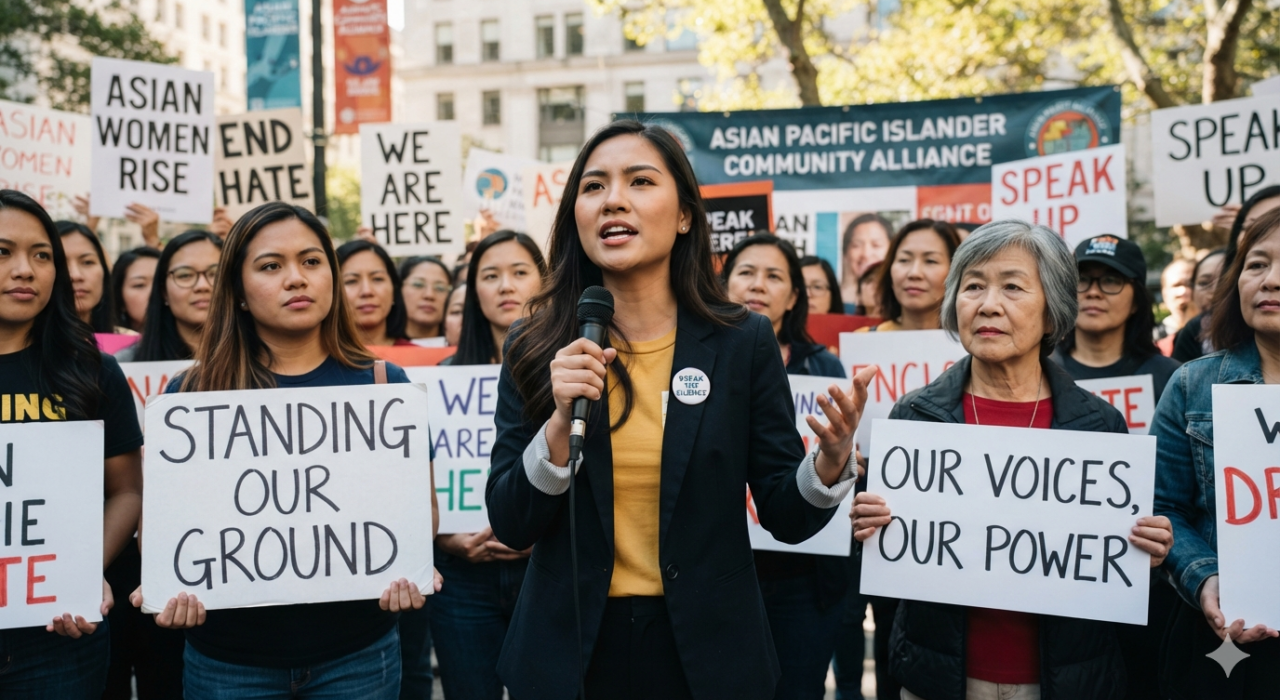
For generations, unspoken rules shaped relationships within British Asian communities: men were expected to lead, women to be quiet, accommodating, and to keep family harmony above all else. To question, challenge or push back was seen as disrespectful – even dishonourable. But in 2026, that dynamic is shifting fast. Asian women are no longer staying silent when boundaries are crossed, expectations are unfair, or voices go unheard. They are speaking up, calling out behaviour, and redefining what respect and equality look like – both within relationships and across the wider community.
A CHANGE THAT HAS BEEN A LONG TIME COMING
This is not about turning against anyone. It is about stepping out of roles that were never of our own making. For decades, women carried the weight of “keeping the family name good” – swallowing hurt, compromise and sacrifice so that everyone else felt comfortable. Today’s generation has grown up with education, independence and a clearer sense of self-worth. We see how outdated norms hurt everyone – men trapped in rigid ideas of “masculinity”, women denied agency, and relationships built on silence rather than honesty.
Speaking up is not about conflict – it is about fairness. It means asking: Why should I have to accept less respect? Why should my dreams come second? Why are expectations different for me than they are for him?
STORIES THAT SHOW THE SHIFT
These are not isolated cases – they are reflections of what is happening in homes, friendships and workplaces across the country:
- Amira, 27: “I was with someone who expected me to cook, plan everything, and never argue back – while he made all the decisions. When I finally said ‘this isn’t equal’, he told me I was ‘becoming too Western’. I told him equality isn’t a culture – it’s basic respect. If he couldn’t treat me as an equal, I couldn’t stay. I walked away – and for the first time, I didn’t feel guilty about it.”
- Kiran, 31: “At family gatherings, men would sit and talk while women cleared plates and made tea. One day I said out loud: ‘We work full-time too – why is this only our job?’ At first it was quiet. Then one aunt nodded, then another. Now everyone helps – men and young people included. All it took was someone brave enough to say it out loud.”
- Meera, 24: “When I challenged a friend for making jokes about women being ‘too loud’ or ‘too ambitious’, he got defensive. But I didn’t back down. I said: ‘You wouldn’t speak like that to your sister or mother – so don’t speak like that to anyone.’ Later he apologised. He’d never really stopped to think how those words landed.”
- Zainab, 33: “I grew up seeing my mum never say no. When my partner tried to make decisions about my career without asking me, I told him straight: ‘My life isn’t yours to plan.’ It caused rows at first – but now he consults me on everything. Real leadership means listening, not just taking charge.”
IT IS NOT ABOUT WINNING – IT IS ABOUT RESPECT
Some see this as “Asian women turning on Asian men”. That could not be further from the truth. What we are doing is holding everyone – ourselves included – to a higher standard. We are calling out behaviour that harms men as much as women: when men are taught they cannot show vulnerability, cannot share responsibility, and must always be “in charge”, everyone loses.
Many men are welcoming this change. Younger generations especially are tired of old stereotypes too. They want partners who are equals – not people who are expected to fade into the background. They want to build families where respect flows both ways.
REDEFINING STRENGTH FOR US ALL
This shift is not rejecting our culture – it is reclaiming the best parts of it. Our traditions value respect, dignity and partnership. What we are doing is stripping away the habits that got added over time – habits that never truly belonged to our values, but came from old pressures, migration struggles, and outdated ways of surviving.
Asian women speaking up is good for our communities. It means stronger relationships, fairer homes, and a future where every person – man or woman – is valued for who they are, not the role they were assigned at birth.
We are not fighting against men. We are fighting for a world where we all stand equal – side by side, not one above the other.