British Asian charities have long been the quiet backbone of community life across the UK. From food banks and mental health support to legal advice, women’s safety projects and youth mentorship, they step in where mainstream services fall short. In recent years, their work has expanded and evolved – but it has also been tested like never before by rising demand, shrinking resources, and deep-seated structural barriers.
IMPACT THAT SPEAKS FOR ITSELF
Even with limited means, these organisations have delivered life-changing support right across the country:
- Health and wellbeing: Groups have launched culturally tailored mental health campaigns, breaking long-held stigma around speaking up. They run health checks for conditions disproportionately affecting South Asian communities – diabetes, heart disease – and work closely with GPs to ensure information is accessible in multiple languages.
- Women and families: Specialist services help survivors of domestic abuse, provide safe spaces, legal guidance and housing support. Projects also empower women through skills training, employment workshops and leadership development.
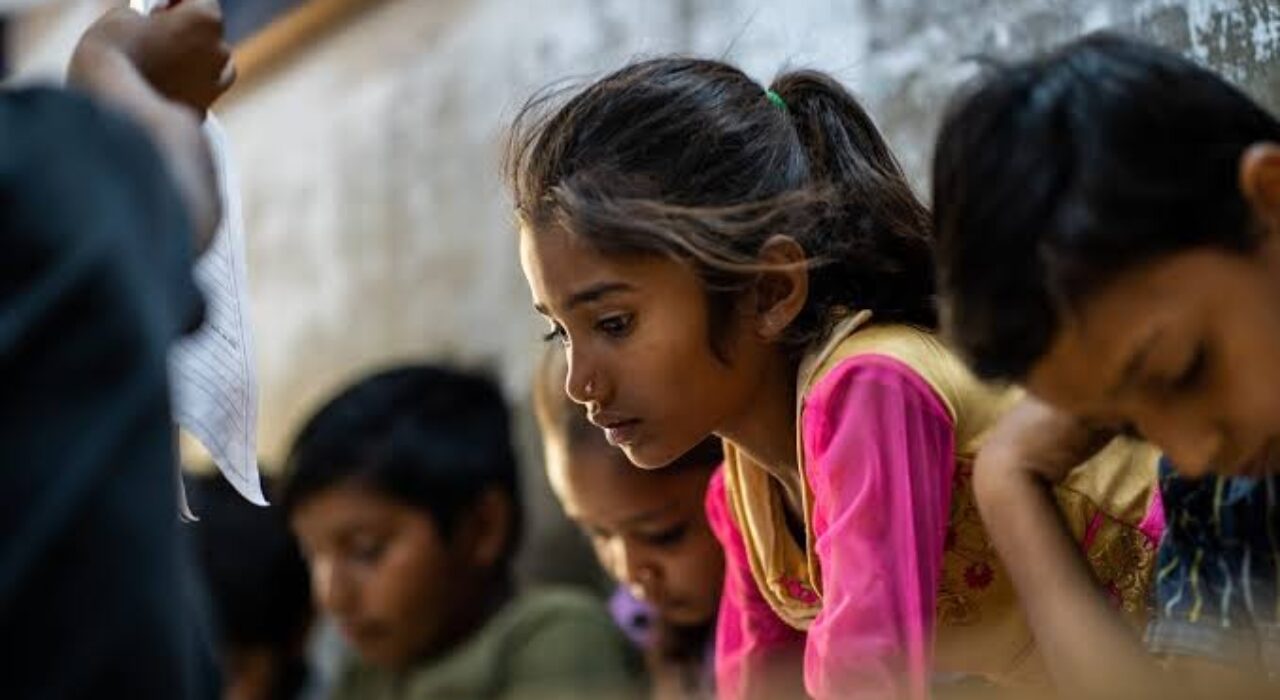
- Young people: Mentorship schemes, homework clubs, STEM and creative programmes are opening doors for the next generation, linking them with role models and career pathways they might otherwise never see.
- Practical lifelines: Cost-of-living support has become central – food parcels, energy bill help, free school uniform drives and winter fuel grants, delivered with deep cultural understanding and trust.
- International and diaspora work: Organisations like the British Asian Trust have scaled education, livelihoods and child protection programmes across South Asia; others support refugee families, overseas disaster relief and community cohesion projects at home.
Many operate on a shoestring yet reach tens of thousands. Their greatest strength is being rooted in the communities they serve – trusted, culturally competent, and able to reach people who would never approach a generic service.
THE HURDLES THEY FACE
For all their impact, the road remains steep – and the challenges are often systemic:
Funding gaps that never close
Despite making up roughly 14% of the population, BAME-led organisations receive only around 0.5% of total foundation funding, and roughly half the average grant size awarded to mainstream charities. Most rely on short-term project grants that rarely cover core costs like rent, salaries or admin – making long-term planning nearly impossible. Many survive on under £15,000 a year, with little or no financial buffer. Application processes are often long, complex and stacked against smaller groups without paid bid-writers – forcing volunteers to spend weeks on proposals that often go nowhere.
Rising demand, shrinking capacity
The cost-of-living squeeze has pushed more families into need, while local authority and government funding has been cut or reallocated. Many groups report doing more with less – staff burnout is widespread, and vital services are at risk of being scaled back or closed.
Bias, visibility and trust
Many funders still favour larger, better-known national bodies over grassroots groups, undervaluing their local expertise and deep community links. Some organisations face unfair scrutiny or stereotypes about how they operate. At the same time, many are overlooked by media and public campaigns, meaning vital work goes unseen and donations do not reach them.
Space, sustainability and representation
Rents and rates have risen sharply, threatening community centres and hubs. Income streams remain narrow – few have access to corporate sponsorship or large individual giving campaigns. And while many are led by women and minority groups, they still struggle to get a seat at decision-making tables where policies that affect them are written.
STILL STANDING, STILL DELIVERING
What stands out most is resilience. When systems fail, these charities step up – led by volunteers, community leaders and dedicated staff who often work unpaid or underpaid. They adapt quickly: switching to digital support during crises, partnering with local businesses and faith groups, and finding new ways to stretch every pound.
Progress is being made – some funders are beginning to recognise the value of lived experience and multi-year core funding. But the gap between need and resource remains wide. True support means more than one-off donations: it means fairer funding rules, recognising cultural expertise as a strength, and giving these organisations the security to plan ahead.
WHY THIS MATTERS FOR ALL OF US
British Asian charities do not just serve one community – they strengthen the whole of society. They build cohesion, protect the vulnerable, unlock potential and prove what can be achieved when people act together. Investing in them is not charity – it is an investment in a fairer, safer and more united country.