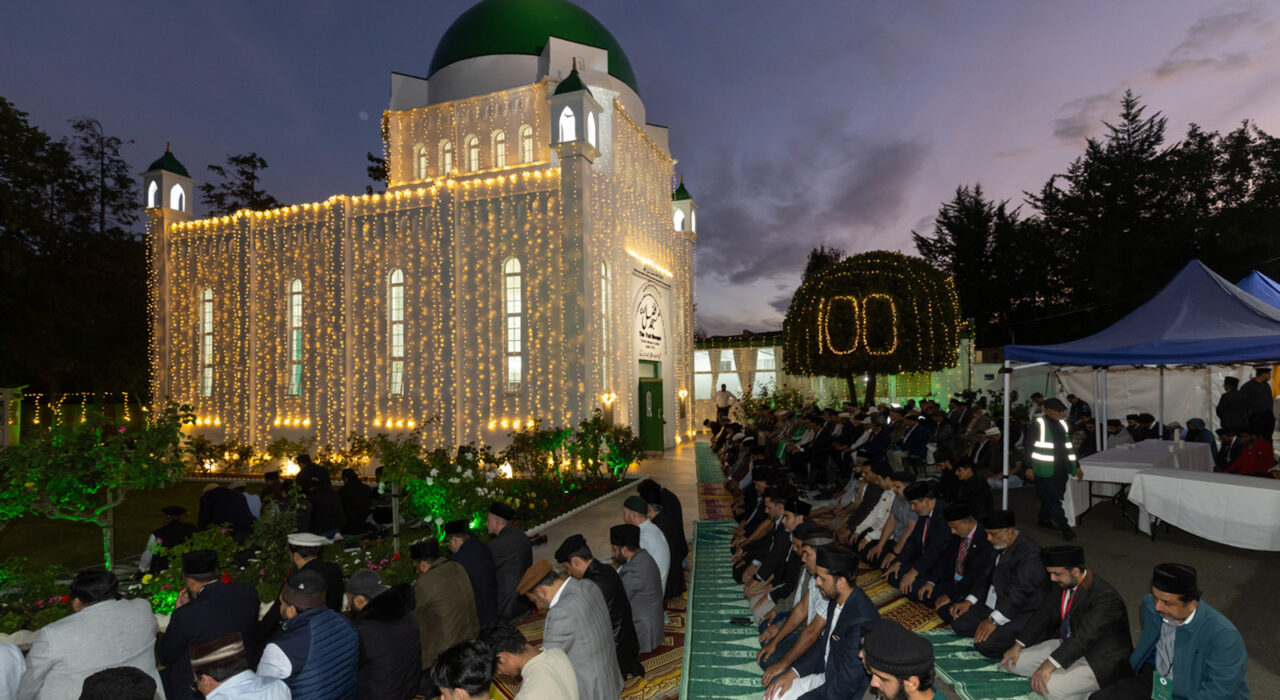
The Fazl Mosque in Putney, south London, has celebrated its centenary, marking 100 years since it became the capital’s first purpose-built mosque and established a lasting commitment to worship, interfaith understanding and community service.
The mosque was inaugurated a century ago in a ceremony attended by more than 600 distinguished guests, including MPs, members of the House of Lords and foreign diplomats. Its construction was funded largely through donations from the Ahmadiyya Muslim community in India, with many women contributing by selling their jewellery and personal valuables.
During the opening ceremony, a message from Mirza Basheer-ud-Din Mahmood Ahmad, the second caliph of the Ahmadiyya community, expressed the ambition to overcome religious hostility and encourage understanding between people of different faiths.
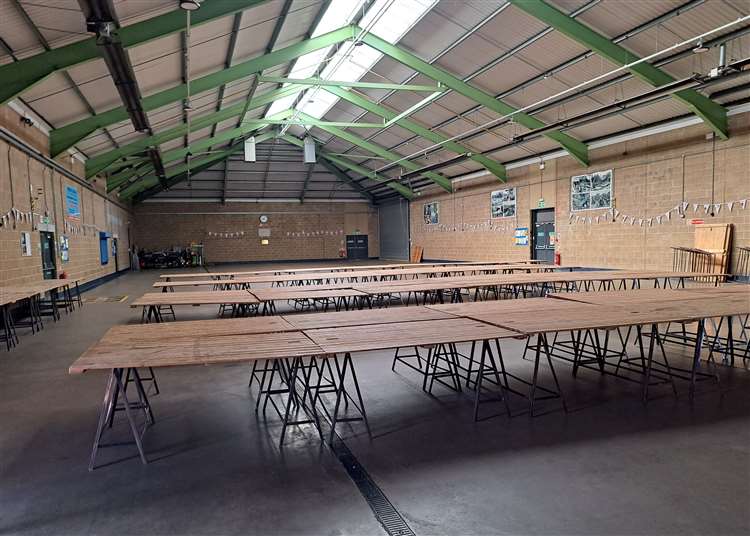
A hundred years later, the mosque continues to reflect those principles through its religious activities and community outreach. To celebrate the milestone, 10,000 meals were distributed to homeless people, while more than 1,000 guests from across the country attended a celebratory banquet following a street gathering.
Usman Shazad Butt, who has served as the mosque’s imam for four years, described the anniversary as both a celebration and an opportunity to reflect on the community’s responsibilities. He emphasised that the mosque’s role extends beyond daily prayers to serving humanity, describing it as a symbol of hope and peace.
Having grown up attending the mosque, Butt said it had played a significant role in shaping his identity, values and sense of purpose. He added that serving the institution during its centenary was a particular honour.
A Century of Ahmadiyya History in Britain
The Ahmadiyya Muslim community originated in Punjab in the late 19th century. Its members recognise Mirza Ghulam Ahmad as the promised Mahdi. The community’s first missionaries arrived in Britain in 1913 and became known for engaging with the public at Hyde Park’s Speakers’ Corner.
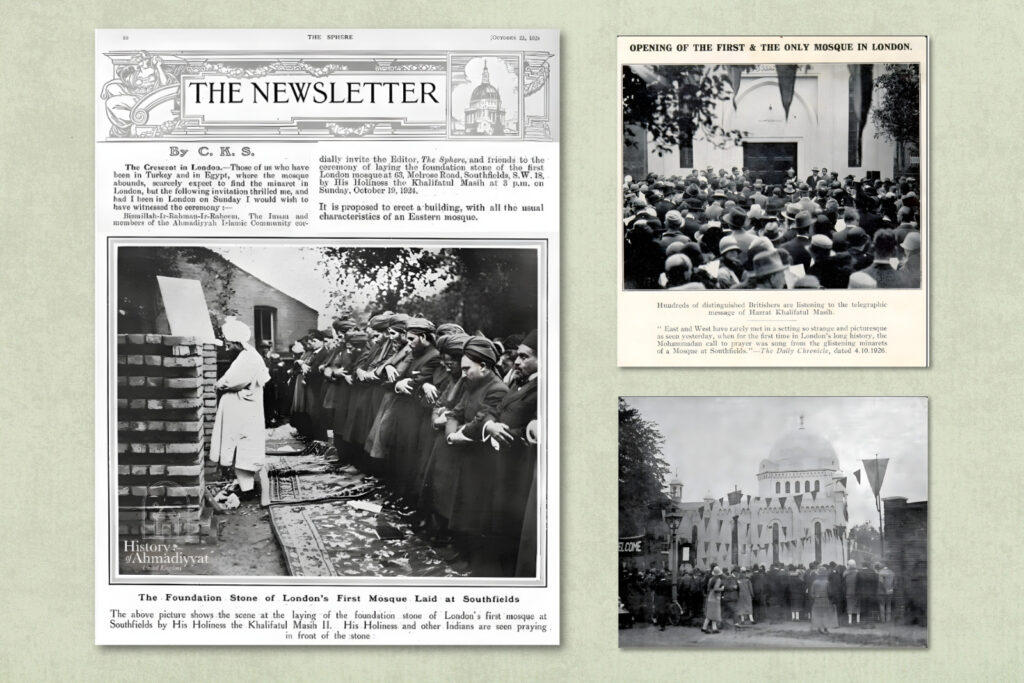
One of those influenced by their message was Bilal Nuttal, a soldier from Lancashire who converted to Islam and later became the Fazl Mosque’s first muezzin, responsible for announcing the call to prayer.
Throughout its history, the mosque has welcomed prominent international figures, including Saudi princes Saud and Faisal, who later became kings, Pakistan’s founder Muhammad Ali Jinnah and Prince Edward.
In 1984, the Fazl Mosque became the international headquarters of the Ahmadiyya community after its fourth caliph, Mirza Tahir Ahmad, left Pakistan amid religious persecution.
Basheer Khan, a civil servant who grew up near the mosque, recalled the significance of the transition. Born in January 1984, he remembered that the caliph arrived in April that year, transforming his local place of worship into the centre of the worldwide community. His parents, who had moved to Britain in the 1960s, witnessed the change firsthand.
Although the current caliph, Mirza Masroor Ahmad, moved the community’s headquarters to Surrey in 2019, the Fazl Mosque remains an important institution. Khan highlighted its wider community role, which includes blood donation drives and providing a venue for local MP surgeries.
He said the mosque had demonstrated over the past century that Islam has an established place in British society and expressed hope that it would continue to promote this message.
A Continuing Message of Peace and Tolerance
During the centenary banquet, the current caliph delivered a keynote address reflecting on the vision established by his predecessor. He said the mosque had fulfilled its ambition of becoming a lasting symbol of tolerance, interfaith harmony and mutual respect.
He added that the institution’s 100-year history demonstrated its continued commitment to peace, love and compassion.
As the Fazl Mosque enters its second century, its centenary celebrates not only its historical significance but also its enduring contribution to religious life, charitable work and relations between communities across Britain.