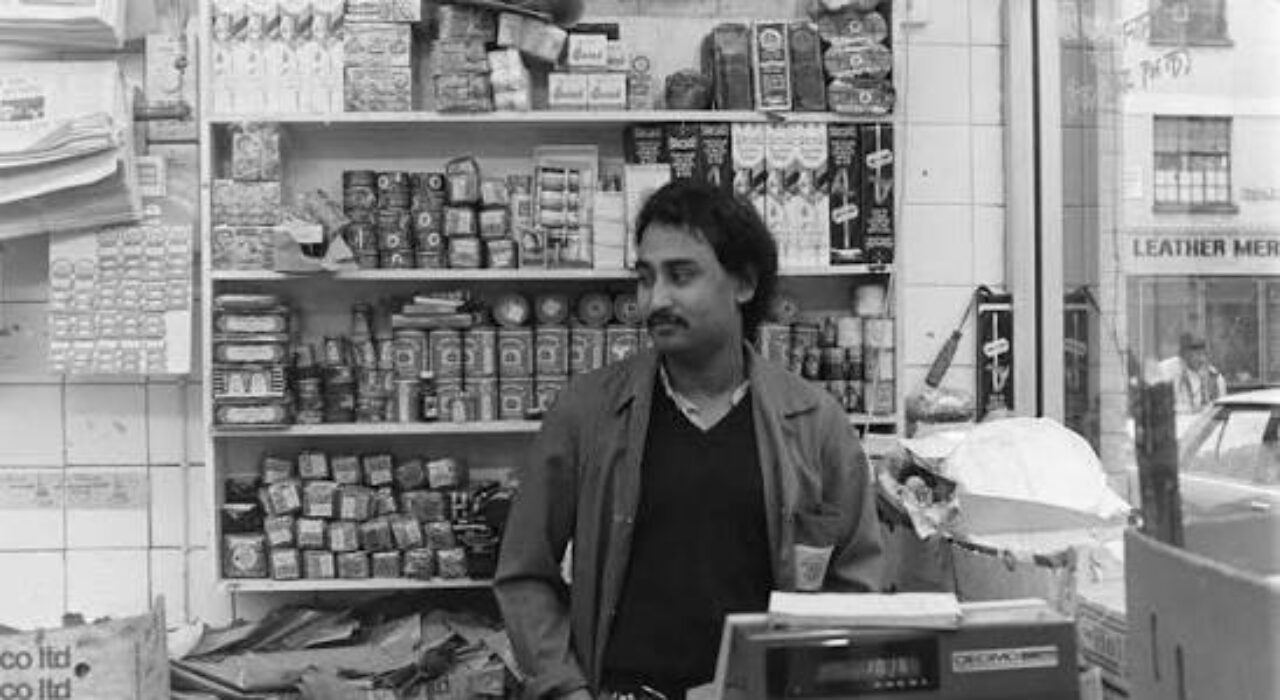
For generations, the corner shop was the heartbeat of every British street: open late, stocking everything from milk to medicine, run by families who knew every neighbour by name. For much of the last 50 years, that familiar front door was most likely owned and run by a British Asian family. Today, with high streets changing, big supermarkets expanding and convenience chains growing, many ask the question: do Asians still own corner shops in the UK? The answer is yes – but the story is no longer just about who runs the till. It is about how an institution shaped a community, built a nation, and launched generations of talent that would go on to shape our culture, politics and public life.
HOW IT ALL BEGAN
In the decades after the Second World War, as families arrived from South Asia, East Africa and beyond, many faced barriers to employment: discrimination, limited recognition of qualifications, and few pathways into established careers. Enterprise became the answer. Starting with small savings, long hours and incredible resilience, families took on run-down premises, worked 16-hour days, seven days a week, and turned them into lifelines for their neighbourhoods.
By the 1990s, research showed that over 60% of independent convenience stores in the UK were owned by British Asian families. These shops were never just businesses: they were community hubs, informal advice centres, places where people could pay bills, send money home, or simply stop for a chat. They funded university degrees, bought homes, supported extended families back home, and laid the foundations for prosperity across the country.
THE CHANGING FACE OF OWNERSHIP
Today, the landscape is different. Rising rents, business rates, competition from supermarkets and delivery apps have changed the game. Some families have sold up; others have expanded into larger stores, wholesale businesses, property or other sectors. Yet British Asian families still make up the largest single group of independent convenience store owners – latest industry figures suggest around 45% of all independent corner shops remain in their hands.
What has changed is the nature of the business. Where once it was the only option for many new arrivals, today it is often a deliberate choice. Many owners are second or third generation: better educated, tech-savvy, and diversifying into fresh produce, halal foods, organic lines, parcel collection, cash services and click-and-collect. They are adapting to survive – keeping the spirit of the corner shop alive while meeting modern needs.
FROM THE SHOP FLOOR TO THE SPOTLIGHT
What makes this legacy even more remarkable is how many of today’s most famous names grew up behind that counter. The discipline, work ethic and people skills learned serving customers became the foundation for success in every field:
ENTERTAINMENT & MEDIA
- Sir Mo Farah: The legendary long-distance runner spent his childhood helping out at his family’s corner shop in west London. He has spoken often about how waking up early to stack shelves and serve customers taught him discipline, resilience and the value of hard work – qualities that would take him to four Olympic gold medals.
- Sadiq Khan: The Mayor of London grew up helping at his family’s shop in Tooting, South London. He has recalled how his parents worked round the clock to give their children better opportunities, and how those early experiences shaped his belief in fairness and the power of enterprise.
- Nadiya Hussain: The Great British Bake Off winner and national treasure grew up helping at her family’s shop in Leeds. She often talks about how her parents’ shop was the centre of their community, and how juggling homework with helping out gave her the drive and determination to build her own career.
- Humza Yousaf: The former First Minister of Scotland spent time helping at his family’s shop in Dundee as a young man. He credits those early days interacting with people from all walks of life with giving him the ability to listen, empathise and understand different perspectives – skills that would define his time in public office.
- Kulvinder Ghir: The actor, comedian and star of Goodness Gracious Me helped out at his family’s shop in Smethwick as a teenager. He has described how the shop was a melting pot of different cultures and stories – inspiring his love of performance and storytelling.
- Mawaan Rizwan: The comedian and actor, known for Juice and Taskmaster, grew up helping at his mother’s shop in East London before she became a writer and broadcaster. He says the buzz of the shop and meeting people from every background gave him his sense of humour and curiosity.
BUSINESS & PUBLIC LIFE
- Jaz Boparan: Head of the 2 Sisters Food Group – one of Europe’s largest food businesses – grew up helping at his family’s butcher’s shop in the West Midlands. That hands-on experience gave him the practical knowledge and work ethic to build a global enterprise.
- Rishi Sunak: The former Prime Minister’s family ran a pharmacy and later a small shop in Southampton. He has spoken about watching his parents build their business from scratch, and how that shaped his understanding of hard work and economic responsibility.
These names are just the most visible examples. Thousands more doctors, lawyers, engineers, entrepreneurs and community leaders across the UK can trace their start back to a parent or grandparent who opened a shop, worked endless hours, and invested everything into their children’s future.
THE LEGACY TODAY
The corner shop is no longer the only path for British Asian communities – and that is progress. Young people today have choices their parents and grandparents could only dream of. But the shop remains a powerful symbol: of opportunity against the odds, of service to community, and of the belief that hard work can build a better life.
Many of today’s owners are proud to carry that torch. They are investing in energy efficiency, digital payments, local produce and community initiatives. They support local schools, sports teams and charities – just as families did decades ago. And for many, the shop is still a family affair: children helping out at weekends, learning the value of money, customer service and respect.
There are challenges ahead: high costs, changing habits and big corporate competition. But the spirit that built this institution has not faded. It has evolved.
MORE THAN A BUSINESS
So the answer is clear: British Asian families still own and run corner shops across the UK – but their influence stretches far beyond the front counter. From Olympic champions to prime ministers, from bakers to business leaders, the lessons learned in those small premises have helped shape modern Britain.
For the Asian Community Network for Change, this story is one of our greatest assets. It reminds us that representation starts with enterprise; that every generation builds on the work of the one before it; and that success is not just about what we achieve for ourselves – but what we pass on to those who come after us.
The corner shop may look different today, but its heart remains the same: a place where everyone is welcome, where hard work is valued, and where ordinary people build extraordinary legacies.