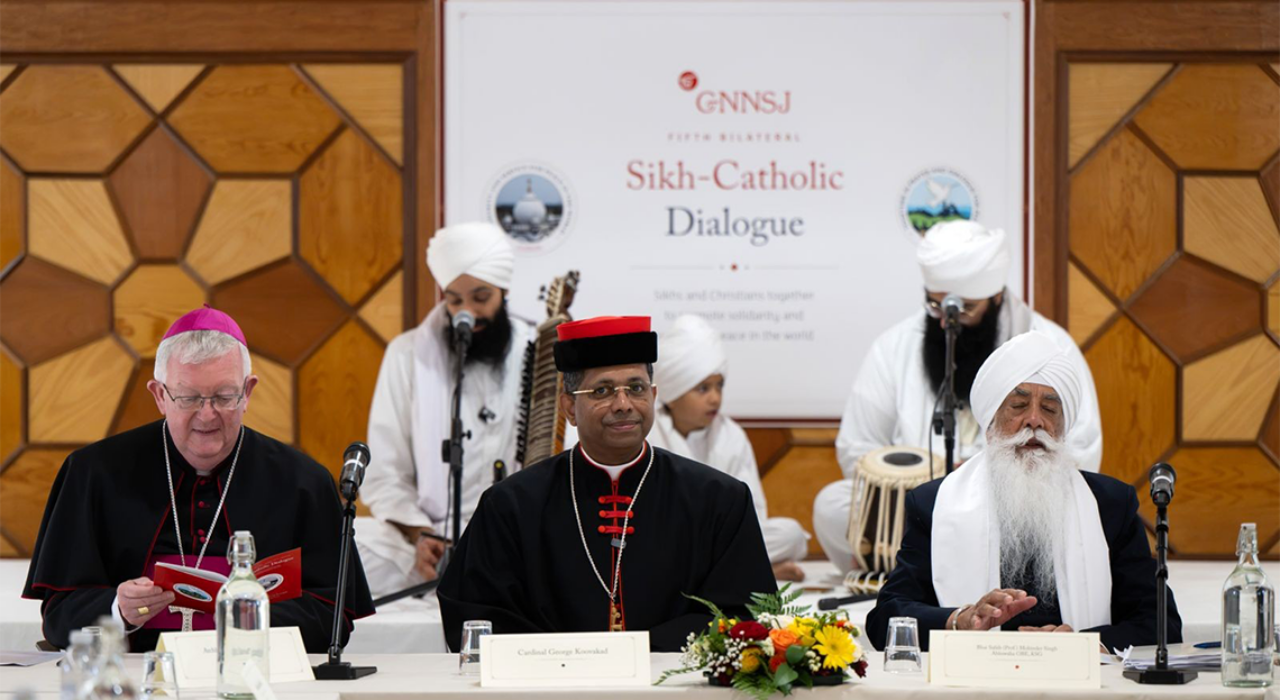
The Cardinal’s visit to the Nishkam Centre highlighted shared Sikh and Christian values of selfless service, solidarity and the promotion of global peace.
Cardinal George Jacob Koovakad concluded his first official visit to the UK with a meeting at the Nishkam Centre in Birmingham, the headquarters of Guru Nanak Nishkam Sewak Jatha (GNNSJ), an international Sikh organisation dedicated to peacebuilding, heritage preservation and conservation.
The event, titled ‘Sikhs and Christians Together to Promote Solidarity and Service for Peace in the World’, marked the fifth bilateral Sikh-Catholic dialogue meeting since 2001.
A central theme of the gathering was Seva, the Sikh principle of selfless service that encourages people to help others without expecting personal recognition or reward. Rooted in the values of equality, compassion and human dignity, Seva is reflected in activities such as providing meals to those in need, supporting vulnerable communities and contributing to society’s welfare.
During his visit, Cardinal Koovakad was welcomed by Bhai Sahib Professor Mhoinder Singh Ahluwalia OBE KSG, spiritual leader and chairperson of GNNSJ. He also visited the Nishkam Gurdwara, a place dedicated to prayer, religious teaching, communal worship and community service.
The programme began with kirtan, the traditional singing of Sikh hymns, followed by an address from Bhai Sahib Mohinder Ji.
In his keynote speech, Cardinal Koovakad explored the importance of solidarity and service in both Sikhism and Christianity, emphasising respect for human dignity, mutual responsibility and the willingness to share resources with others.
He highlighted the Sikh tradition of Langar, the free community kitchen found in gurdwaras, where meals are served to everyone regardless of religion, gender, ethnicity or social status.
Drawing a parallel with Christian teachings, he referred to Jesus washing the feet of his disciples as an example of humility, compassion and service to others.
The Cardinal stressed that solidarity and service are closely connected, explaining that both values help promote peace and give people hope.
Discussions also examined the challenges of putting these principles into practice in a rapidly changing world, particularly the need to overcome ego and selfishness.
Reflecting on the teachings of Saint John Paul II, Cardinal Koovakad highlighted the importance of recognising humanity’s shared identity as a foundation for building peace and strengthening relationships across communities.
The event continued with three panel discussions examining Sikh and Christian perspectives on service, the role of service in advancing the common good and world peace, and the contribution of interreligious dialogue to peaceful coexistence.
Participants included religious leaders, academics, healthcare professionals and representatives of community organisations. Among them were Archbishop Bernard Longley, Archbishop of Birmingham; Professor Joht Singh Chandan of the University of Oxford; Dr Manvir Kaur Kalirai of Nishkam Health Trust; Dr Jasdev Singh Rai of the Sikh Human Rights Group; Dr Mary McCaughey of St Mary’s College, Oscott; and Bishop Patrick McKinney, Bishop of Nottingham.
As part of the gathering, participants were invited to visit the gurdwara and share Langar, experiencing firsthand a tradition that embodies equality, hospitality and selfless service.
The shared meal reinforced the central message of the dialogue: acts of service can unite people from different backgrounds, challenge social divisions and build stronger relationships between religious communities.
Cardinal Koovakad’s final engagement brought his UK visit to a close with a renewed emphasis on shared values and continued interfaith cooperation. The gathering demonstrated how dialogue, mutual understanding and a collective commitment to peace can strengthen connections between the country’s religious communities.
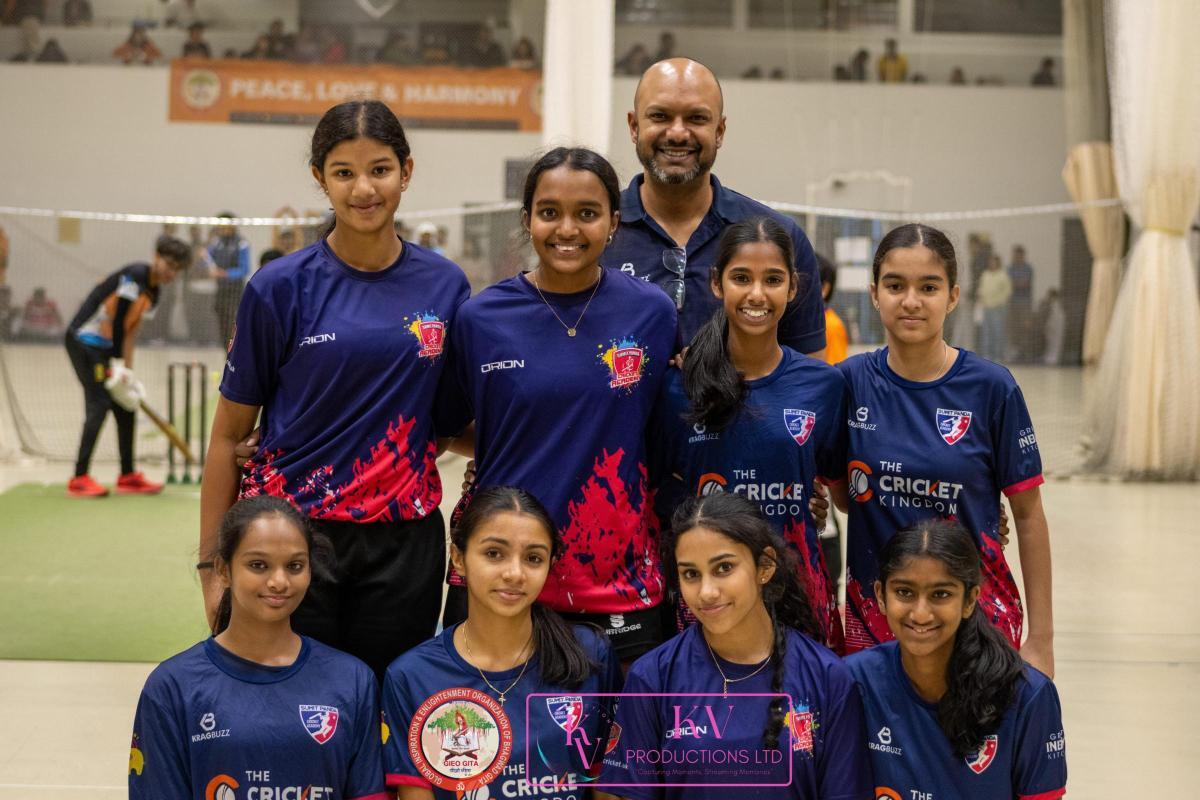
Barden added that the tournament had continued to grow each year, with organisers looking forward to welcoming more participants and visitors to the upcoming event.
The Diwali Cup was first launched in 2024 through a partnership between the Lancashire Cricket Foundation and GIEO Gita UK (Global Inspiration Enlightenment Organisation of the Bhagwad Gita).
The event is funded by GIEO Gita UK and the ECB Cricket Cities Programme. Starting with eight teams in its inaugural year, the tournament expanded to 14 teams in 2025, reflecting its growing popularity and community reach.
As it enters its third year, the Diwali Cup continues to bring people together through cricket, celebrating diversity, cultural heritage and the spirit of Diwali.