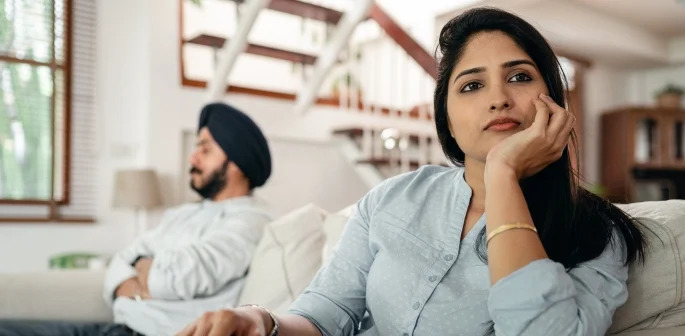
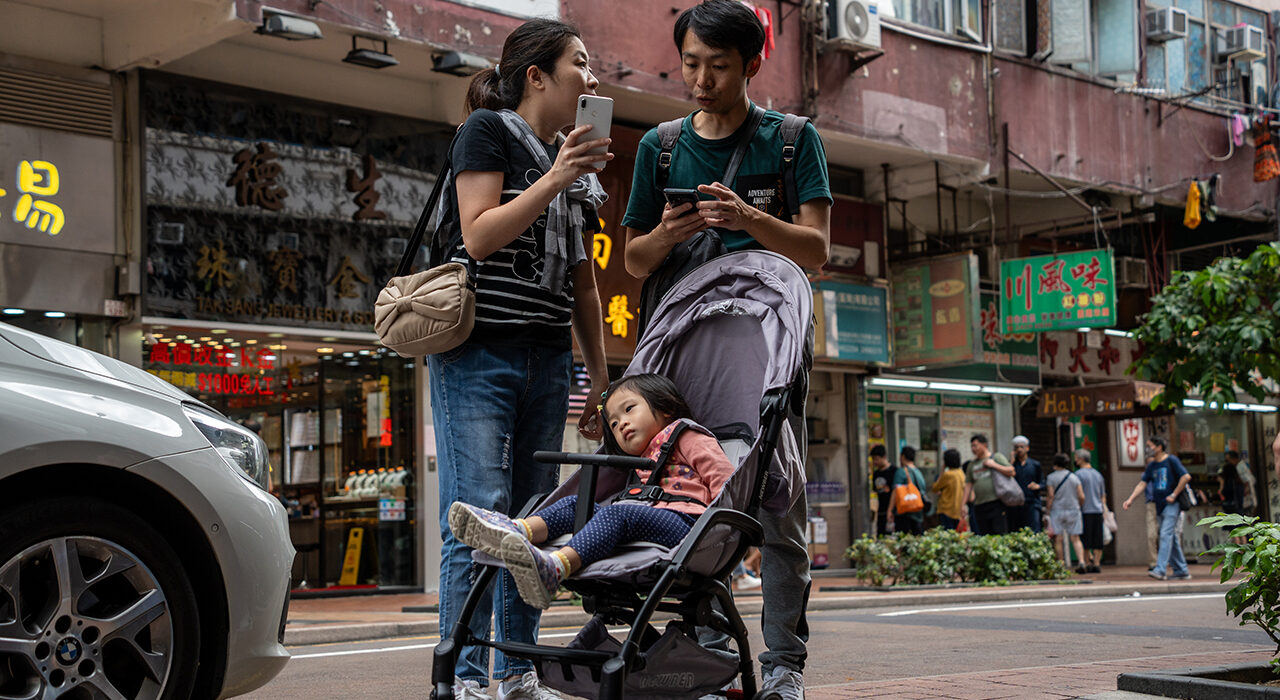
For generations, the script was written clearly and unchanging: the Asian man was the provider, the protector, the undisputed head of the household whose word carried final weight. His worth was measured in how steadily he brought home an income, how well he upheld the family’s reputation, and how he shielded his loved ones from hardship. His role was to lead, decide, and earn; the home, the children, and the daily care fell to others. Today, that role is being rewritten—not because tradition has been cast aside, but because what it means to care, lead, and provide has shifted profoundly. For British Asian men in 2026, strength looks very different than it did for their fathers and grandfathers.
THE ROOTS OF THE OLD ROLE
Those early expectations grew from necessity, not dogma. When families first arrived in the UK, many men left loved ones behind, taking long shifts in factories, foundries, transport, or small businesses—often working double jobs just to send money home and build a foothold here. In that era, being the sole breadwinner was an act of immense love and sacrifice. It was survival, plain and simple.
Cultural and religious teachings reinforced ideas of male responsibility, while the pressures of migration—language barriers, discrimination, uncertainty—made clear divisions of labour feel like a way to keep things steady. Over time, however, survival slowly hardened into fixed habit. “Being the man” came to mean keeping feelings locked away, making all major choices alone, stepping back from domestic life, and never appearing vulnerable. For decades, few questioned it—because it was all anyone knew, and it had carried families through hard beginnings.
WHAT HAS CHANGED – AND WHY
Three powerful shifts have transformed how men see themselves, and how they are seen by those around them:
- Independence and equality for women
Today’s Asian women build careers, run businesses, lead public services, and bring equal skill and value to the home. Partnership is no longer one-sided; it is shared. Men no longer carry the entire financial or decision‑making load alone. Leading now means listening as much as directing, compromising as much as commanding, and building a life together rather than laying down rules for others to follow.
- A new definition of strength
Younger generations are learning that suppressing emotion does not make you strong—it often creates distance, stress, and quiet resentment. More men now speak openly about anxiety, grief, or doubt; they seek support when overwhelmed; and they accept that asking for help is brave, not weak. Masculinity is no longer measured by silence or control, but by reliability, kindness, and the willingness to grow.
- Growing up between two worlds
Raised in a society that values equality, today’s sons watch their mothers’ unrecognised labour, see their sisters chase ambitions once reserved for men, and question rules that no longer fit their lives. They want relationships built on respect, not hierarchy; on choice, not duty alone.
REAL STORIES – NEW WAYS OF BEING
These shifts are not just theory—they are unfolding in homes across the country:
- Ajay, 34: “My dad worked 14‑hour days and never once cooked a meal or held a baby for longer than a minute. He thought putting food on the table was all he needed to do. I do my share of cooking, school runs, cleaning, and helping with homework. At first older relatives teased me, saying I was ‘under the thumb’ or ‘doing a woman’s work’. But I know the truth: providing isn’t just about money—it’s about showing up, being present, and sharing every part of life. My wife and I are a team, and our children see that every day.”
- Ravi, 29: “I grew up thinking you never let anyone see you hurt. When my business struggled and I lost money, I shut everyone out—my wife, my parents, my friends. I thought admitting worry meant I’d failed as a man. It nearly broke us. Now I talk openly about my fears, I listen when my partner offers perspective, and I’ve spoken to a counsellor too. I’ve learned that being strong means facing things together, not hiding them alone.”
- Gurdeep, 41: “I was raised to believe men don’t step into the kitchen or worry about what’s on the dinner table. I’d watch my mum serve everyone else first, eating last if there was anything left. I promised myself I’d never expect that from anyone I loved. Now my wife and I split everything—finances, chores, childcare, big decisions. It took my father a long time to understand; he’d say ‘that’s not how we do things’. But lately he’s told me he’s proud—because he sees we’re happier and more united than ever.”
- Amit, 26: “When we talk about our future—where to live, what careers to build, how to raise children—my partner and I sit down as equals. Nothing is decided by one person alone. That doesn’t mean I don’t take responsibility or lead; it means I lead with respect, not authority. I want my children to see that a good man lifts people up, not stands above them.”
- Bharat, 52: “I’ve had to unlearn so much. For years I thought my job ended when I walked through the door. Then I saw how tired my wife was, how little time I spent with my own kids. It wasn’t easy changing habits built over decades—but I started helping more, asking questions, listening properly. It hasn’t made me less of a man; it’s made me a better husband, father, and son.”
THE BENEFITS FOR EVERYONE
This evolution brings real, lasting good to every part of family life:
- Stronger, closer relationships: Trust deepens when everyone’s voice counts and no one carries the world on their shoulders.
- Healthier children: Boys learn empathy and care are part of being a man; girls learn they deserve equal respect and agency.
- Better mental health: Men release the crushing pressure to be “unbreakable”, reducing stress, isolation, and burnout.
- Preserved values, refreshed practice: Loyalty, duty, respect, and love remain at the centre—they are simply expressed in fairer, healthier ways.
Some worry this means losing our culture. In truth, we are stripping away habits that crept in over time, and returning to the heart of our traditions: mutual care, honour through action, and standing together as one family. What is fading is not our heritage—but outdated expectations that served a different time.
CHALLENGES ALONG THE WAY
Change never comes easily. Older generations may take time to understand new ways; peers may mock or cling to old ideas; and in moments of stress or uncertainty, old patterns can creep back. Some men fear that sharing responsibility means losing status or respect. Many still struggle to find words for feelings they were taught never to name.
There is also pressure from outside: stereotypes in media, assumptions in wider society, and the quiet worry that “we’re not doing it right”. But more and more men are finding their own path—honouring where they came from, while building something better for those who follow.
THE ROAD AHEAD
The modern Asian man is not rejecting his past—he is completing it. He carries the work ethic, devotion to family, and pride his forefathers built. But he adds to it: compassion, openness, and a belief that partnership makes us stronger.
He is still a provider—but now he provides time, attention, and emotional care as well as income. He is still a protector—but he protects everyone’s right to speak, choose, and thrive. He is still a leader—but he leads by example, listening first, and lifting others up beside him.
FINAL THOUGHT
This shift is not about men giving up anything of value—it is about gaining so much more: deeper connection, greater peace, and relationships built on truth rather than tradition alone. Our families have always been our greatest strength; today, we are making them stronger still—for every generation that comes after us.