South Asian pub owners across the UK are preparing for a period of renewed expansion as the government moves to ease long-standing licensing restrictions — a change that could reshape one of Britain’s most distinctive and fast-growing hospitality niches.
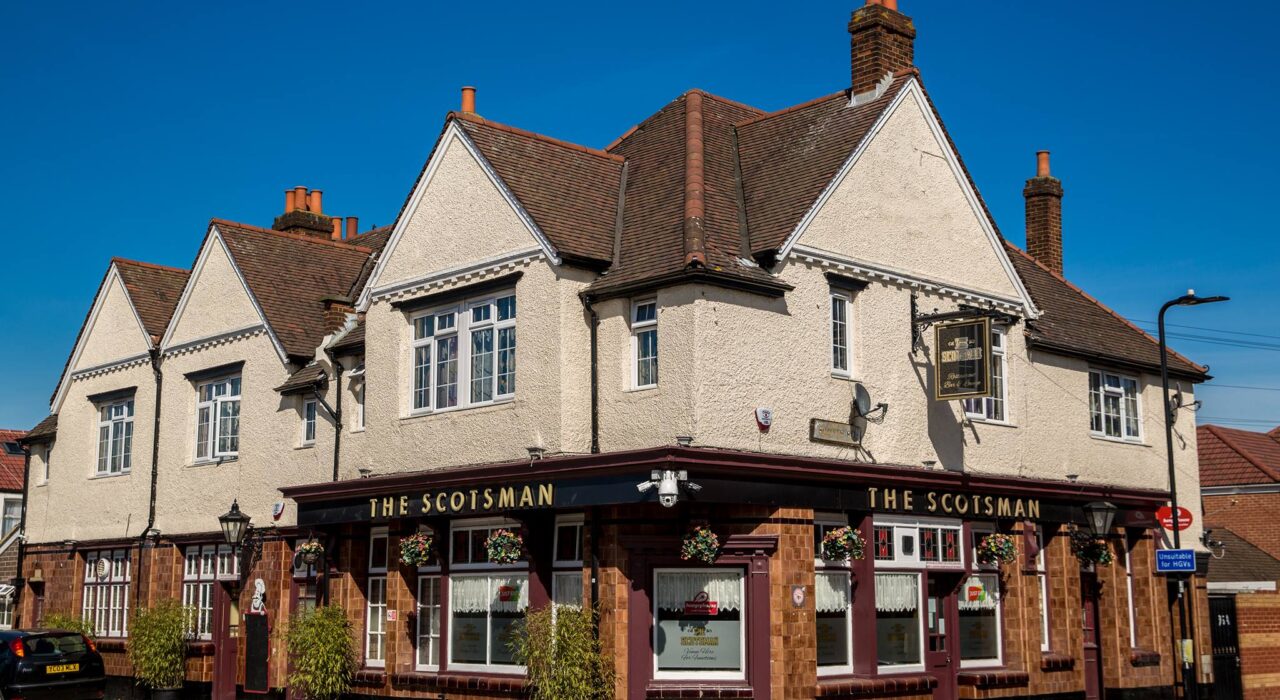
When South Asian foundry and factory workers first arrived in England, many were denied entry to traditional pubs. Their response was entrepreneurial: they built their own. From The Scotsman in Southall — run for over 50 years by Shinda Mahal — to Birmingham institutions such as The Grove and The Covered Wagon, these venues turned exclusion into opportunity.
Today, the new generation of desi publicans are continuing that legacy. With the UK government’s planned reforms designed to simplify rules on outdoor service, live music and community events, many see the coming year as a turning point for growth.
Prime Minister Keir Starmer stated: “Pubs and bars are the beating heart of our communities. Under our Plan for Change, we’re backing them to thrive.”
For South Asian operators who have already overcome decades of social and operational hurdles, this is a business signal as much as a cultural one. The easing of red tape means lower administrative costs, greater event flexibility and faster adaptation to customer demand — all vital for operators competing in an industry under cost pressure.
According to the British Beer and Pub Association, the beer and pub sector contributes £30 billion to the UK economy, supports one million jobs and delivers £18 billion in taxes. Yet with roughly 46,000 pubs still trading and closures on the rise, efficiency reforms could provide essential relief.
Industry analyst Nick Mackenzie, co-chair of the Licensing Taskforce and CEO of Greene King, said: “Pubs are under enormous pressure from rising costs. The government must continue to back the sector, including critical reforms on business rates, to unlock investment and drive economic growth.”
The cultural dimension remains central to the sector’s success. Documentaries like Rise of the Mixy by Gurudev Singh highlight how South Asian landlords revitalised failing pubs by introducing Punjabi music, tandoori grills and family-friendly atmospheres — building inclusive spaces that attract both British and Asian audiences.
Beer Writer of the Year 2023 David Jesudason, author of Desi Pubs, told LBC Blog:
“None of this would’ve happened without desi landlords taking over failing pubs and making them inclusive spaces.”
A recent Frontier Economics report underscores how pubs generate not only employment but significant social value, fostering stronger communities and local investment. Desi pubs are now at the forefront of this model — merging British heritage with South Asian hospitality in a way that broadens customer demographics and spending power.
As licensing reforms move forward, operators in the Midlands and beyond are already exploring new opportunities, from outdoor dining concepts to franchise models that replicate the “grill-and-ale” formula nationwide.
For many, it feels like history completing a full circle. The pubs once founded out of necessity are now strategic growth vehicles, proof that South Asian entrepreneurship continues to shape and strengthen Britain’s hospitality landscape.
Powered by
Asian Connect &
Business Connect